Grids Create Freedom
Grids aren’t cages — they’re frameworks. They allow creativity to flow with consistency and balance.

Ava Rossi
Brand Strategist
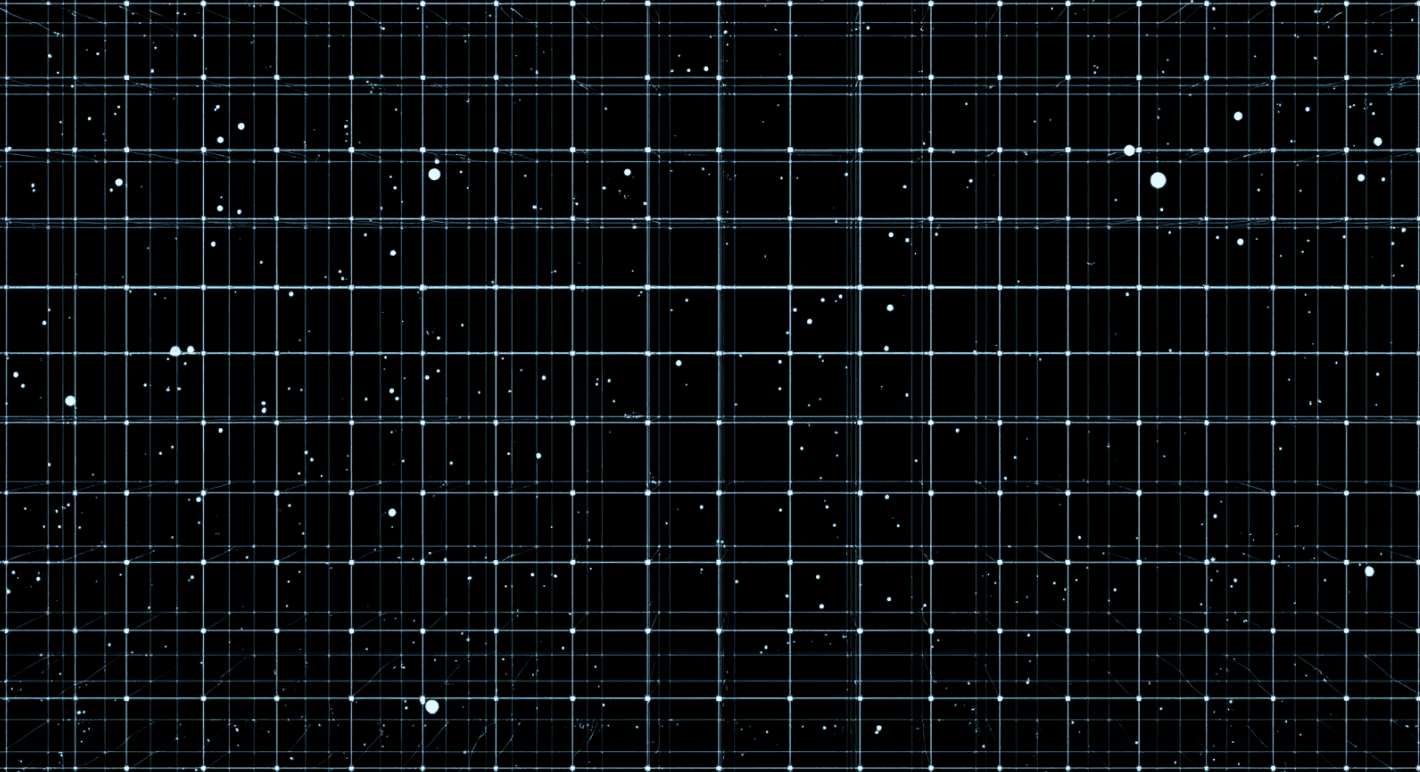
Every designer hits the same wall eventually: the blank canvas isn't liberating, it's paralyzing. Infinite options collapse into indecision. The fix isn't more freedom — it's structure. A grid doesn't tell you what to make. It tells you where things can live, so you can spend your energy on what actually matters: the work itself.
The Misconception About Constraints
There's a romantic idea that creativity thrives in total freedom — that rules dilute originality and structure flattens vision. It sounds right. It isn't. Most designers who work without a grid don't end up with bolder work; they end up with inconsistent work. Spacing drifts. Alignment wanders. The eye picks up the noise long before it reads the message.
A grid is the quiet system underneath the surface. You're not supposed to see it. You're supposed to feel it — in the rhythm, in the weight, in the way your eye moves across a page without effort.
What Grids Actually Do
A grid does three things at once. It distributes space, so nothing has to be measured by feel every time. It creates relationships between elements, so a headline and an image don't just sit near each other — they belong to each other. And it builds a memory across pages, so the second screen feels like it came from the same hand as the first.
The result is coherence. Not sameness — coherence. A reader can land anywhere in your work and immediately understand the logic of the place.
Freedom Inside the Frame
Here's the part most people miss. Once a grid is set, every decision gets faster. You stop debating whether something should be 32px or 36px from the edge. You stop nudging by single pixels. The grid has already answered the boring questions, which means you get to spend your attention on the interesting ones — typography, hierarchy, voice, contrast, surprise.
This is the freedom grids actually offer. Not the freedom to do anything, but the freedom to stop thinking about everything.
Breaking the Grid
The best designers know when to leave it. A photograph that bleeds past the column. A headline that breaks the margin on purpose. A single element that ignores the system to draw the eye exactly where you want it. These moments only work because the grid exists. Without the rule, there's nothing to break — just more noise pretending to be intention.
A grid earns its disruptions. That's the whole point.
The Takeaway
Grids aren't the opposite of creative work. They're the scaffolding that lets creative work stand up. The next time a layout feels stuck, the answer probably isn't to throw out the structure. It's to trust it more — and then decide, with intention, where to push against it.
Structure first. Freedom second. In that order, both get better.
SHARE